
October 7, 2026
Manufactured Homes in Bremen, Indiana: Keeping Water Away From Your Home
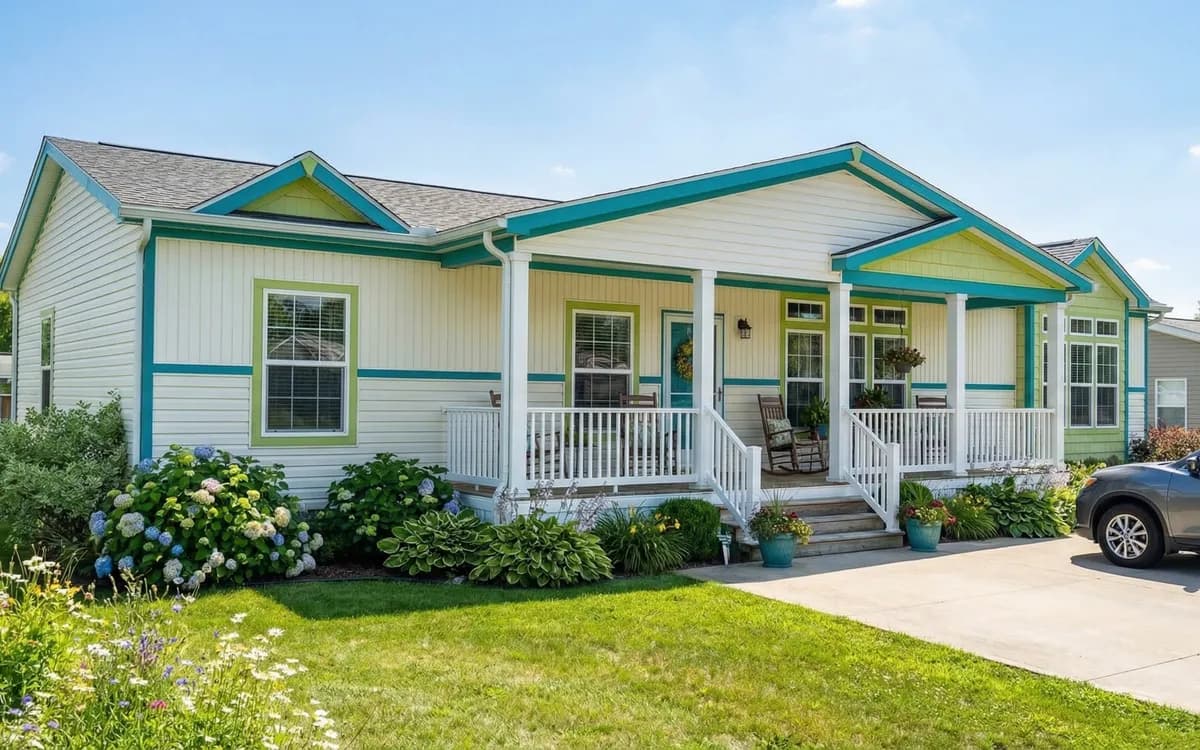
Bremen sits in northeastern Marshall County, on flat, fertile farm ground. Flat land is easy to build on, but it does not shed water on its own. For a manufactured home, the space underneath matters as much as the rooms above it: a dry crawlspace protects the floor, the plumbing and the insulation for the life of the home.
Start with the grade
The ground around the home should slope away from it on every side, so rain and snowmelt run off rather than collect underneath. That shaping is part of the site work you contract before delivery. Ask your site contractor how the finished grade will drain, and where the water goes once it leaves the pad.
Gutters and downspouts
- Gutters collect roof water before it splashes down beside the skirting.
- Downspout extensions carry that water several feet out, away from the foundation.
- Check both after the first heavy rain and clear them every fall, when leaves come down.
Under the home
- Ground cover. A vapor barrier over the soil under the home keeps ground moisture from rising into the floor system. Ask your installer what the setup instructions call for.
- Ventilation. Skirting needs vents so moisture can escape. Blocking them traps damp air.
- Plumbing. Look under the home after the first few weeks of use for any drips at the connections.
Where we fit
We sell the home and arrange its delivery. Grading, the pad, gutters and skirting are part of the site work you hire out; the site work guide shows where each job falls in the sequence. Then browse the floor plans with the lot in mind.
Common questions
How do I know if the lot drains well?
Walk it after a heavy rain. Standing water or soggy ground tells you where the grading needs work.
Do manufactured homes come with gutters?
It depends on the model and options. Ask about gutters when you order, or plan to add them after setup.